
|
Getting your Trinity Audio player ready...
|
Dental Implant Cost Birmingham 2026
If you are researching the cost of dental implants in Birmingham, you want clear figures, not vague reassurances. This guide sets out current 2026 pricing for single implants, multiple implants, full arch treatment and full mouth reconstruction, along with the factors that move the price up or down. It also explains what should be included in a quote, where hidden costs tend to appear, and how finance and NHS eligibility work in practice.
Table of Contents
Dental Implant Cost Birmingham 2026: Quick Answer
A single dental implant in Birmingham typically costs between £2,000 and £3,500, including the implant post, abutment and crown. Full arch treatment such as All-on-4 usually costs £8,000 to £15,000 or more per arch, and full mouth implants across both jaws typically range from £16,000 to £30,000 or more. The table below gives a fuller breakdown.
Treatment | Typical Birmingham Cost |
Single dental implant | £2,000 to £3,500 |
Implant consultation | £50 to £150 |
CBCT scan | £100 to £250 |
Bone grafting, if needed | £400 to £1,200+ |
Two implants | £4,000 to £7,000+ |
Implant-retained denture | £4,000 to £8,000+ |
All-on-4 / full arch implants | £8,000 to £15,000+ per arch |
Full mouth implants | £16,000 to £30,000+ |
These figures are a general guide rather than a fixed price list. The final cost for any individual patient depends on the number of implants needed, the scans required, existing bone levels, the materials and implant brand used, whether sedation is needed, the surgical complexity of the case, and the type of final restoration chosen. A precise quote can only be given after a consultation and the relevant scans.
What Is The Average Cost Of A Single Dental Implant In Birmingham?
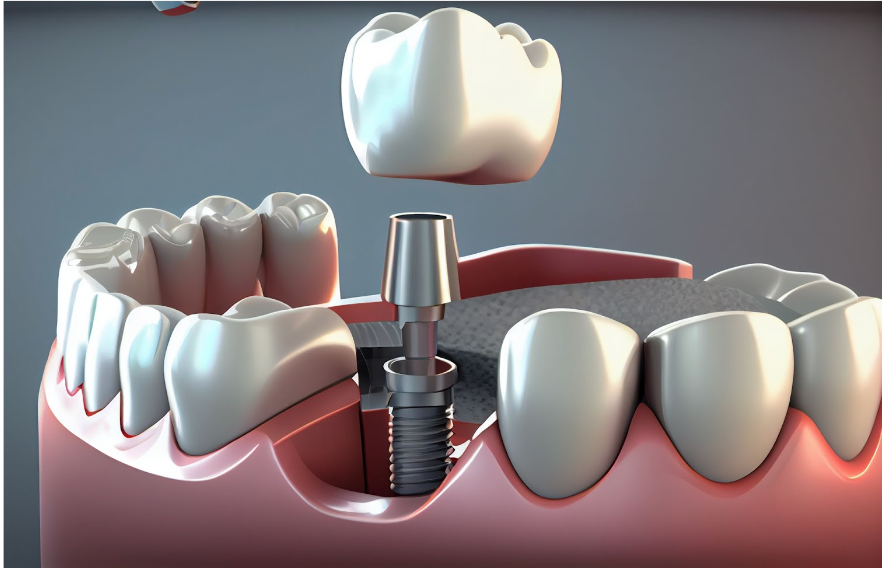
The average cost of a single dental implant in Birmingham is around £2,000 to £3,500. This figure usually covers three components: the implant post itself, which is placed into the jawbone, the abutment that connects the post to the visible tooth, and the crown that sits on top and is visible in the mouth.
Not every advertised price includes all three parts. Some clinics promote a headline figure that only covers the implant post, with the abutment and crown charged separately. This is why two quotes that look very different on the surface can sometimes end up costing a similar amount once every stage is added in.
Because pricing structures vary so much between practices, it is worth asking exactly what is and is not included before comparing numbers. A genuinely accurate, personalised quote is only possible once a dentist has carried out a consultation and reviewed the relevant scans, since bone quality, gum health and the position of the missing tooth all affect what treatment is needed.
Dental Implant Costs Across The UK
Implant pricing is not uniform across the country. The table below shows how typical single implant costs in Birmingham compare with other UK regions.
Area | Typical Single Implant Cost |
Birmingham | £2,000 to £3,500 |
London | £2,500 to £5,500 |
Surrey / Home Counties | £2,300 to £4,500 |
Manchester | £1,900 to £3,500 |
Leeds | £1,800 to £3,200 |
Scotland | £1,800 to £3,500 |
London and Surrey tend to sit at the higher end of the national range, largely because of higher property, staffing and operating costs in those areas. Birmingham is generally more competitive than London while still offering access to experienced implant dentists and modern clinical facilities.
Cases that need a specialist surgeon, such as those involving significant bone loss or complex medical histories, can cost more regardless of which city the treatment takes place in. It is also worth noting that unusually low advertised prices in any region can sometimes exclude scans, bone grafting, temporary teeth or the final crown, so a like-for-like comparison matters more than the headline number.
What Is Included In The Cost Of A Dental Implant?
A thorough dental implant quote should set out exactly which stages of treatment are covered. Depending on the clinic, the price may include:
- Initial consultation
- Clinical examination
- X-rays
- CBCT scan
- Treatment planning
- Implant placement
- Healing period
- Abutment
- Final crown
- Review appointments
- Aftercare advice
Different clinics package these stages in different ways. Some quote a single all-inclusive figure that covers the whole journey from consultation to final crown, while others itemise each stage separately. Neither approach is wrong, but it does mean that two quotes of a similar headline price can represent quite different value once you check what each one actually covers. Always ask for a written breakdown so you are comparing the same scope of treatment.
What Can Increase The Cost Of Dental Implants?
Implant pricing rarely stays at the lowest end of the range once individual circumstances are taken into account. The following factors are the most common reasons a quote increases:
- Bone grafting, where the jawbone needs building up before an implant can be placed securely
- Sinus lift procedures, often needed for implants in the upper back jaw
- Tooth extraction, if the damaged tooth has not already been removed
- Gum disease treatment, which must usually be resolved before implant surgery
- Temporary tooth replacement while the implant heals
- Sedation, for patients who feel anxious about treatment
- Complex medical history, which can affect healing and planning
- Multiple missing teeth, which increase the number of implants or the complexity of the restoration
- Implant brand, as established systems with a strong long-term track record can cost more
- Crown material, such as porcelain or zirconia versus more basic options
- Specialist surgeon involvement, for cases beyond routine placement
- Full arch treatment, which involves more implants and more detailed planning
- Follow-up and maintenance, including reviews to check healing and fit
It helps to think of implant treatment as a complete package rather than the cost of a single component. Patients are not simply paying for a titanium screw. The fee reflects diagnosis, surgical planning, the procedure itself, the materials used, the laboratory-made restoration, and the long-term monitoring needed to keep the implant stable for years to come.
Why Do Dental Implant Prices Vary Between Birmingham Clinics?
Patients often notice a wide spread of prices between Birmingham clinics for what looks like the same treatment. The reasons usually come down to six areas.
Experience Of The Implant Dentist
A dentist’s level of implant training and surgical experience has a direct bearing on price. Dentists who have completed extensive postgraduate implant training, who regularly manage complex cases, and who work closely with specialist colleagues on long-term treatment planning tend to charge more than those offering a more basic service. This reflects the skill involved in managing difficult bone conditions, planning multi-implant cases and reducing the risk of complications.
Diagnostic Scans And Planning
Modern implant planning often relies on CBCT scanning and digital planning software to assess bone volume, locate nerves, check sinus position and review the bite before any surgery takes place. Clinics that invest in this technology and the time needed to use it properly will usually charge more than those relying on basic two-dimensional X-rays alone, but this investment reduces the risk of surprises during surgery.
Implant System And Materials
Not all implants are the same. Established implant brands with decades of clinical research behind them tend to cost more than lesser-known systems, but they also typically come with stronger long-term data and more readily available replacement parts in future. The choice between titanium implants and zirconia crowns, along with the quality of the abutment and the standard of laboratory-made restoration, all affect both cost and the likely lifespan of the result.
Surgical Complexity
A straightforward implant placed into healthy bone, well away from nerves and sinuses, is a different procedure from one that follows infection, significant bone loss, or a recent extraction. Cases that need additional procedures or a longer healing period before the final restoration can be fitted will generally cost more than a simple, single-stage placement.
Dental Laboratory Costs
The crown that sits on top of an implant is custom-made in a dental laboratory. Costs here depend on the level of shade matching, the strength and aesthetics of the material chosen, and how precisely the crown is designed to fit the bite. A well-made crown that matches surrounding teeth and sits correctly in the bite takes more laboratory time, and this is reflected in the final price.
Practice Running Costs
Behind every implant fee sits a working dental practice. This includes the dental nurses and reception team supporting treatment, sterilisation processes, CQC compliance, surgical equipment, professional insurance, ongoing implant training, clinical maintenance, business rates and utilities. Clinics with higher clinical standards and more thorough governance processes generally carry higher running costs, which factors into treatment pricing.
Single Implant vs Multiple Implants vs Full Mouth Implants
The right option depends on how many teeth are missing and the condition of the remaining jawbone and gums.
Option | Best For | Typical Cost |
Single implant | One missing tooth | £2,000 to £3,500 |
Multiple implants | Several missing teeth | £4,000 to £10,000+ |
Implant bridge | Several missing teeth in a row | £5,000 to £12,000+ |
Implant-retained denture | Loose dentures | £4,000 to £8,000+ |
All-on-4 / full arch | Full arch replacement | £8,000 to £15,000+ per arch |
Full mouth implants | Upper and lower jaw | £16,000 to £30,000+ |
All-on-4 treatment uses four strategically placed implants to support a full arch of replacement teeth, often avoiding the need for bone grafting in suitable patients. Full mouth implants extend this principle to both the upper and lower jaw, which is why the combined cost is significantly higher than treating a single arch.
Are There Hidden Costs With Dental Implants?
The aim of a good implant quote is to avoid surprises, not to hide them. Costs that are sometimes missed in early estimates include:
- Consultation fees, if not included in the initial enquiry
- Scans, particularly CBCT imaging
- Extractions, if a damaged tooth still needs to be removed
- Bone grafting, where the jaw needs additional support
- Temporary teeth, worn while the implant heals
- Sedation, for patients who need it
- Review appointments, to monitor healing and fit
- Maintenance, including periodic checks and cleaning
- Replacement crowns in future, since crowns can wear over many years of use
None of these should come as a shock if a clinic provides a clear, written treatment plan before surgery begins. The purpose of raising them here is transparency, not concern. A patient who understands the full scope of potential costs from the outset is in a much stronger position to compare quotes fairly and budget accurately.
Are Dental Implants Available On The NHS?
Dental implants are usually a private treatment in the UK. NHS funding for implants is only available in limited circumstances, and most routine cases of a single missing tooth do not qualify.
NHS implant treatment may be considered in specific situations, such as following trauma, as part of treatment for mouth cancer, where a patient has a congenital condition affecting tooth development, or where a patient is genuinely unable to wear conventional dentures for clinical reasons. These cases are assessed individually and typically require referral to a hospital-based specialist team rather than a routine high street dental practice.
For the majority of patients looking to replace one or more missing teeth for everyday functional or cosmetic reasons, private treatment remains the realistic route to dental implants.
Can You Spread The Cost Of Dental Implants?
Many Birmingham dental practices offer finance options to help spread the cost of implant treatment over a period of months or years, rather than requiring full payment upfront.
- Finance plans, often arranged through a third-party provider
- Monthly payments, structured around the total treatment cost
- Deposits, typically required before finance is approved
- Interest-free finance, where offered, usually over a shorter term
- Longer-term finance, which spreads cost further but may include interest
Exact finance figures depend on the total cost of treatment, which can only be confirmed after a consultation and any necessary scans. This is why most practices wait until a full treatment plan is in place before presenting specific monthly payment figures, rather than quoting generic numbers that may not reflect an individual case.
Questions To Ask Before Comparing Dental Implant Prices
Before comparing quotes from different Birmingham clinics, it is worth asking the following questions to make sure you are comparing the same scope of treatment:
- Is the implant crown included in the quoted price?
- Is the abutment included?
- Is the CBCT scan included?
- What implant brand is being used?
- Is bone grafting included if it turns out to be needed?
- Are temporary teeth included while the implant heals?
- Who places the implant, and what is their experience level?
- What training does the dentist have in implant dentistry?
- Is aftercare included in the price?
- What happens if the implant fails?
- Are review appointments included?
- Is finance available, and on what terms?
A clinic confident in its pricing should be able to answer all of these questions clearly and in writing.
Checkout our other resources
https://oldburysmilespa.co.uk/how-long-do-dental-implants-last/
https://oldburysmilespa.co.uk/how-long-do-dental-implants-take-oldbury-smile-spa/
https://oldburysmilespa.co.uk/what-should-you-not-do-before-getting-dental-implants/
https://oldburysmilespa.co.uk/how-to-clean-all-on-4-dental-implants/
Frequently Asked Questions
How much does a single dental implant cost in Birmingham?
A single dental implant in Birmingham typically costs between £2,000 and £3,500, including the implant post, abutment and crown. The exact figure depends on bone condition and whether any additional procedures are needed.
Why are dental implants so expensive?
The cost reflects diagnostic scans, surgical planning, the implant itself, the abutment, a custom-made crown, the clinical skill involved in placement, and long-term aftercare. It is a multi-stage medical procedure rather than a single item.
Is the crown included in the price?
Not always. Some quotes cover only the implant post, with the abutment and crown charged separately. Always check exactly what is included before comparing prices between clinics.
How much does a full mouth of dental implants cost?
Full mouth implants, covering both the upper and lower jaw, typically cost between £16,000 and £30,000 or more, depending on the number of implants and the type of restoration used.
How much does All-on-4 cost in Birmingham?
All-on-4 full arch treatment typically costs between £8,000 and £15,000 or more per arch in Birmingham, depending on the complexity of the case and the materials used for the final restoration.
Can I get dental implants on the NHS?
Dental implants are mainly available privately. NHS funding is generally limited to specific situations such as trauma, mouth cancer treatment, congenital conditions or an inability to wear dentures, and is assessed on an individual basis.
Can I pay monthly for dental implants?
Many Birmingham practices offer finance plans that allow the cost of treatment to be spread over several months or years, sometimes with interest-free options. Exact figures depend on your individual treatment plan.
Are dental implants cheaper abroad?
Headline prices abroad can appear lower, but they often exclude scans, follow-up visits and aftercare. Managing complications or replacement work becomes more difficult when the treating clinic is overseas.
What makes dental implants more expensive?
Bone grafting, sinus lifts, extractions, gum disease treatment, sedation, complex medical histories and multiple missing teeth are among the most common factors that increase the cost of treatment.
Do I need a bone graft?
Not every patient does. A bone graft is only needed when there is insufficient bone volume to support an implant securely, which is assessed using a CBCT scan during the planning stage.
How long do dental implants last?
With good oral hygiene and regular dental reviews, implants can last for many years, often decades. The crown on top may need replacing at some point, but the implant post itself is designed for long-term use.
Are dental implants worth the cost?
For many patients, implants offer a stable, long-term solution that functions and feels closer to natural teeth than dentures or bridges. Whether they represent good value depends on individual circumstances and priorities.
What is the cheapest way to replace a missing tooth?
A removable denture is usually the lowest upfront cost option, followed by a bridge, with implants typically being the most expensive initial outlay. However, implants often involve less ongoing maintenance over time.
Is a bridge cheaper than an implant?
A bridge can sometimes have a lower upfront cost than a single implant, but it usually involves altering the adjacent natural teeth and may need replacing sooner than a well-maintained implant.
Can one implant replace multiple teeth?
Single dental implants in Birmingham usually cost between £2,000 and £3,500, while full arch and full mouth treatment costs considerably more, reflecting the greater number of implants and the complexity of the restoration involved. The final price for any individual patient depends on the scans required, existing bone levels, the complexity of the case, and the type of restoration chosen.
Rather than focusing purely on the lowest headline price, it is worth comparing the full scope of what each quote includes and the long-term value it offers. The most reliable way to get an accurate, personalised figure is to book a consultation, where a full assessment can be carried out and a clear, written treatment plan provided.
Conclusion
Invisalign in Birmingham typically ranges from around £1,700 to £5,500, with mild cases sitting at the lower end and more comprehensive cases costing more. Your final price depends on the complexity of your case, the number of aligners required, whether refinements are needed, and the type of retainers you choose.
Rather than focusing purely on the lowest headline price, it is worth comparing the full scope of what each quote includes and the overall value it offers across your treatment journey. The most reliable way to get an accurate, personalised figure is to book a consultation, where your teeth can be properly assessed and a clear, written treatment plan provided.