
Quick Answer: The best mouthwash for gum disease is usually an alcohol-free antibacterial mouthwash containing chlorhexidine, CPC, or fluoride. Corsodyl is one of the most recognised options in the UK for short-term gum disease treatment, while alcohol-free daily mouthwashes may help reduce plaque and irritation.
However, mouthwash alone will not stop gum disease. Persistent bleeding gums, swelling, gum recession, or loose teeth should always be assessed by a dentist or hygienist.
Reviewed and updated for 2026 by Dr Harry Singh, GDC: 82016
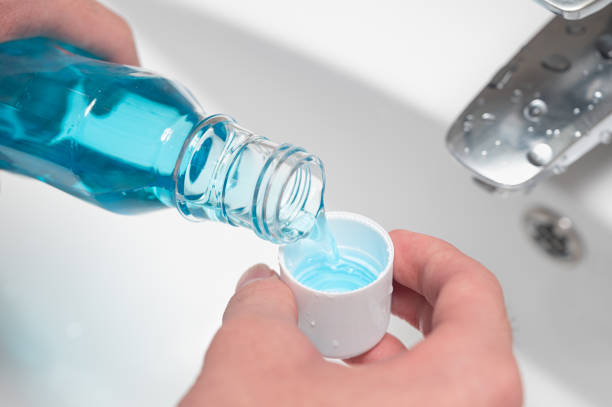
Best Mouthwashes For Gum Disease (2026):
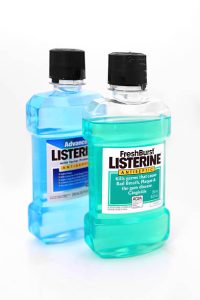
Listerine Total Care Zero
Best for: Daily plaque control and fresher breath.
- Alcohol-free daily mouthwash
- Contains fluoride for enamel protection
- Helps reduce plaque build-up
- Suitable for sensitive gums
Corsodyl Alcohol-Free Mouthwash
Best for: Early signs of gingivitis and bleeding gums.
- Helps reduce plaque bacteria
- Alcohol-free formula
- Commonly recommended for early gum disease
- Suitable for short-term use under dental guidance
Important: Corsodyl should not replace brushing, flossing, or professional dental care.
Corsodyl Ultra Clean
Suitable option: Sensitive teeth and early signs of gingivitis and bleeding gums.
- Designed for gum health support
- Helps reduce gum inflammation
- Alcohol-free formula
- Suitable for daily use
Does Mouthwash Stop Gum Disease?
No, mouthwash alone cannot stop gum disease.
Antibacterial mouthwashes may help reduce plaque bacteria and inflammation, but gum disease is caused by plaque and tartar build-up around the gum line. If this is not professionally cleaned, the condition can continue to progress.
Early-stage gum disease (gingivitis) may improve with better brushing, flossing, hygienist visits, and the correct mouthwash. More advanced gum disease may require professional periodontal treatment.
Is Alcohol-Free Mouthwash Better For Gum Disease?
Alcohol-free mouthwash is often recommended for people with gum disease because it is gentler on irritated gum tissue.
Alcohol-based mouthwashes may cause dryness or irritation in some patients, especially if the gums are already inflamed or sensitive.
Many modern mouthwashes designed for gum health now use alcohol-free formulas while still helping reduce bacteria and plaque.
What Is The Best Way To Stop Gum Disease?
The most effective way to stop gum disease is early diagnosis and professional dental treatment.
While antibacterial mouthwash can help reduce bacteria and inflammation, it cannot remove hardened tartar or treat advanced gum disease on its own.
Common early signs of gum disease include:
- Bleeding when brushing
- Swollen or tender gums
- Persistent bad breath
- Receding gums
- Sensitivity around the gum line
- Loose teeth in advanced cases
If you are experiencing symptoms of gum disease, our dental team at Oldbury Smile Spa can assess your gums and recommend the most suitable treatment to help protect your long-term oral health.
Medically reviewed by Dr Harry Singh
Clinical Director at Oldbury Smile Spa
Concerned about bleeding gums, gum recession, or signs of gum disease?
Contact Oldbury Smile Spa today to book a dental examination and gum health assessment.